
At our recent ISC West Customer Roundtable, we gathered 50 physical security leaders whose organizations represent over $2.5 trillion in annual revenue. There were lots of insights shared about how to overcome today’s burning issues, including the need to modernize, how to meet IT requirements, and the role of automation. It was fascinating to hear about collective challenges and solutions, many of which echoed the findings of our 2026 Physical Security Trends Report.
Manual Operations are a Structural Failure
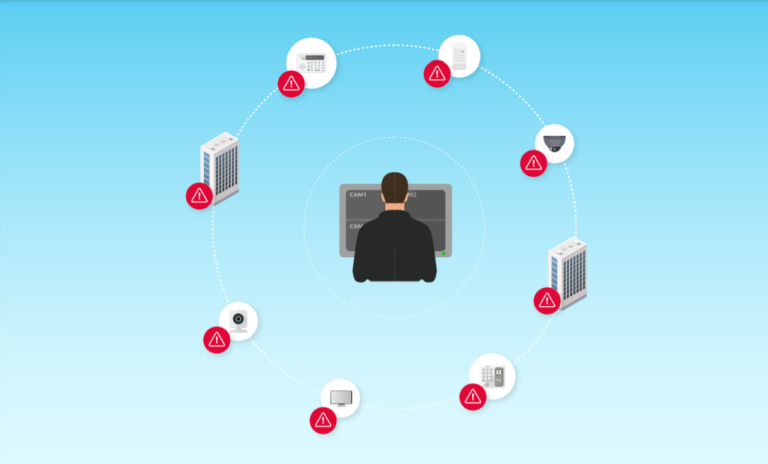
Accountability is rising, but for those who have not modernized, control is a challenge. Organizations now expect enterprise level uptime and cybersecurity from physical security teams, yet the tools haven’t changed in a decade. Relying on human effort to manage tens of thousands of cameras and sensors is no longer feasible. It is a structural failure.
One roundtable participant shared a sharp contrast in timelines: For the sixty percent of devices they’ve automated, cybersecurity remediation takes sixty minutes. For the other forty percent of devices, remediation takes forty five to sixty days.
Visibility is the Strategic Inflection Point
Risk does not always announce itself with a total system outage. It can accumulate quietly through outdated firmware and configuration drift. Several leaders at the table shared that before they modernized, their entire inventory lived in spreadsheets of questionable accuracy. Now they can feel confident that their device data is reliable.
Moving beyond those spreadsheets is the first step toward maturity. Real time awareness changes the department dynamic. It moves the team out of a reactive break fix cycle and provides the data needed to hold stakeholders accountable.
The End of the Physical and IT Divide
Roundtable participants repeatedly emphasized the benefits of treating physical security infrastructure – cameras, readers, and associated systems – as IT-managed assets. Some standouts include:
- Introduction of best practices around governance, accountability, and tooling
- Increased operational rigor
- An “always on” security posture
- A more collaborative and accountable operating model
Automation as a Force Multiplier
Participants emphasized that automation does not eliminate the need for human oversight. The model is not people versus machine, but people plus machine – each playing a distinct and complementary role.
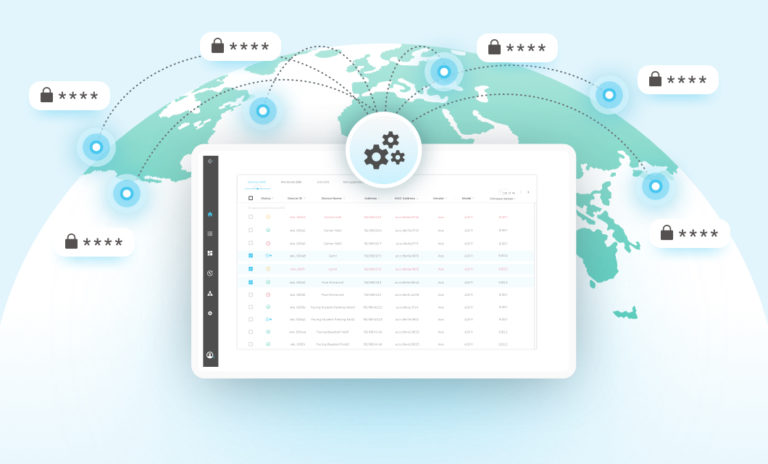
For example, automation provides the leverage needed to extend the reach of a team without a massive increase in headcount. When teams automate password rotations, for example, they’re freeing a senior engineer from a task that shouldn’t have been on their plate to begin with.
This change also reframes the financial conversation. Shifting from high cost maintenance projects to continuous remote control turns the security function into a driver of business performance. It stops being a cost center and starts being a strategic asset.
Access more insights from the roundtable here.