Skip to content

PROBLEM: MANUAL DEVICE MANAGEMENT

Manual device maintenance doesn't scale.

Every routine fix still means a technician driving to the site or someone logging into a different vendor console by hand, and fleet grows.

THE CORE PROBLEM

Routine maintenance still means driving to the device, or logging into it by hand

Keeping a fleet healthy takes constant, low-level manual maintenance::

Constant Maintenance Restarts, firmware updates, password rotations, and config checks never stop.  
Two Bad Options The default fix is a truck roll or a per-vendor console login.  
No Way to Automate No single system spans vendors to schedule or automate any of it.  

The result: manual work grows and does not get more efficient at scale; it just multiplies

b19e5108-cc59-4edf-a801-b0d8c7e2fedc

That gap shows up in the day-to-day:

A Trip Per Fix A camera needs a restart, so someone drives out to power-cycle it.  
Login after login A password rotation means logging into a dozen vendor consoles by hand.  
Tracked in a Spreadsheet (Maybe) A firmware update gets tracked in a spreadsheet, if it gets tracked at all.  

The result: more devices means more overtime or more headcount, not more efficiency.

Most of this work does not have to be manual.

97%

of security teams say day-to-day manual device management impedes their team's ability to focus on strategic risk management.

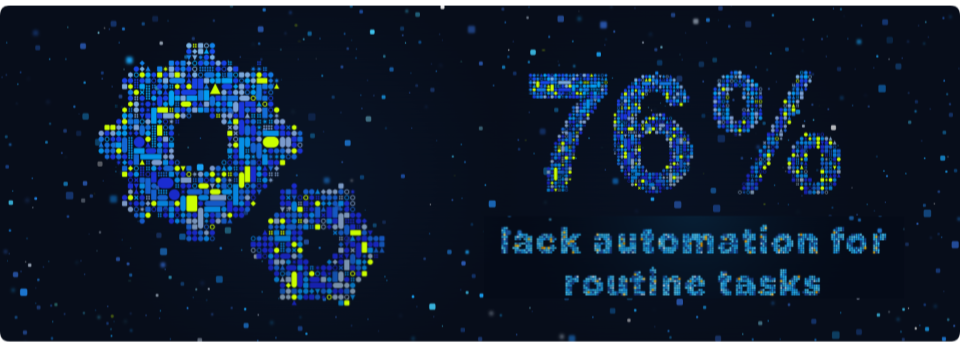
76%

say limited automation for routine tasks is a gap in their current tools. 

60%

of truck rolls could be avoided entirely with a simple remote device restart.

The Verdict?
The manual work isn't just hard cost; it's opportunity cost not spent on the risk the team is accountable for.

Vendor tools operate one device. They don't manage a fleet.

The truck roll

A technician dispatched to a site. Drive time, wait time, and the fix itself, all for something that should take five minutes.

The per-vendor console login

A separate login for every manufacturer, one device and one interface at a time, repeated across the fleet.

Solving this takes more than another console. It takes:

Remote execution for the maintenance that is routine today: restarts, firmware, password rotation.
One place to schedule and track it across every vendor, not a console per manufacturer.
Enough automation that fleet size stops being the constraint on how well it is maintained.

HOW WE SOLVE IT

Maintenance that runs remotely, from one place

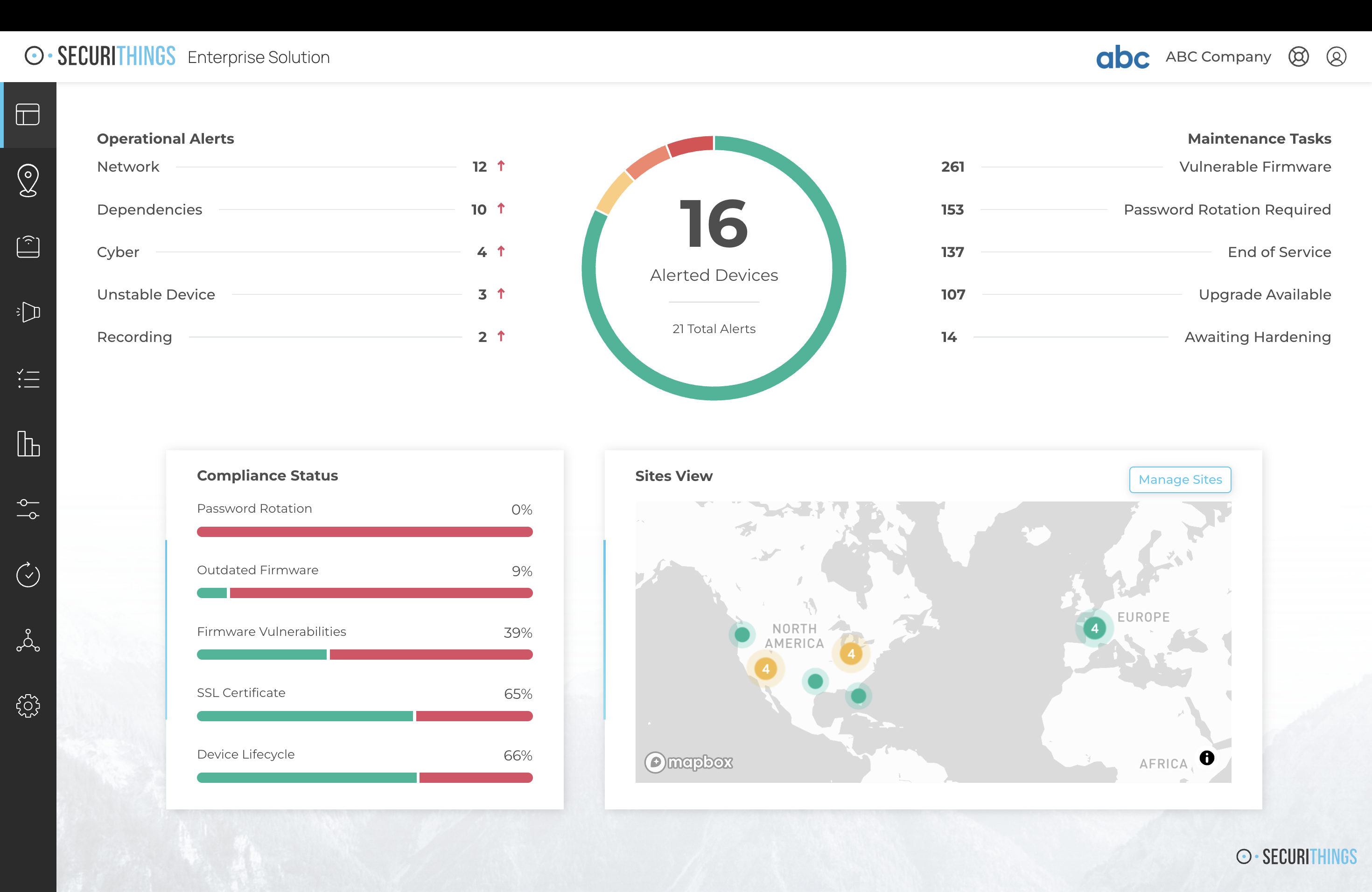
SecuriThings runs routine device maintenance remotely and centrally: restarts, firmware upgrades, password rotations, across every vendor in the fleet, from one place.

What used to require a site visit, or a login to a dozen different consoles, becomes a scheduled or automated task.
Op Mgmt

AI-Powered Device Management

The Agentic Device Orchestrator extends this further, letting the team define an operation once and run it across the fleet, at whatever scale the fleet reaches, without waiting on a vendor-specific integration for every new task.

Automating this work doesn't just save the manual effort, it changes what routine maintenance costs, and it keeps paying off as the fleet grows rather than getting harder to manage.


PROOF OF VALUE

What automated device management is worth

Modeled savings: automating routine maintenance cuts ongoing maintenance cost by roughly 90% and truck rolls by roughly 60%.

That reduction rate holds whether the fleet is a few thousand devices or fifty thousand; only the dollar total grows with the fleet.

"What used to take several days, I am able to accomplish in a few minutes in the morning now. SecuriThings certainly changed all that." — Corporate security advisor, energy and utilities


NEXT STEP: PLATFORM PREVIEW

See your fleet as it actually is

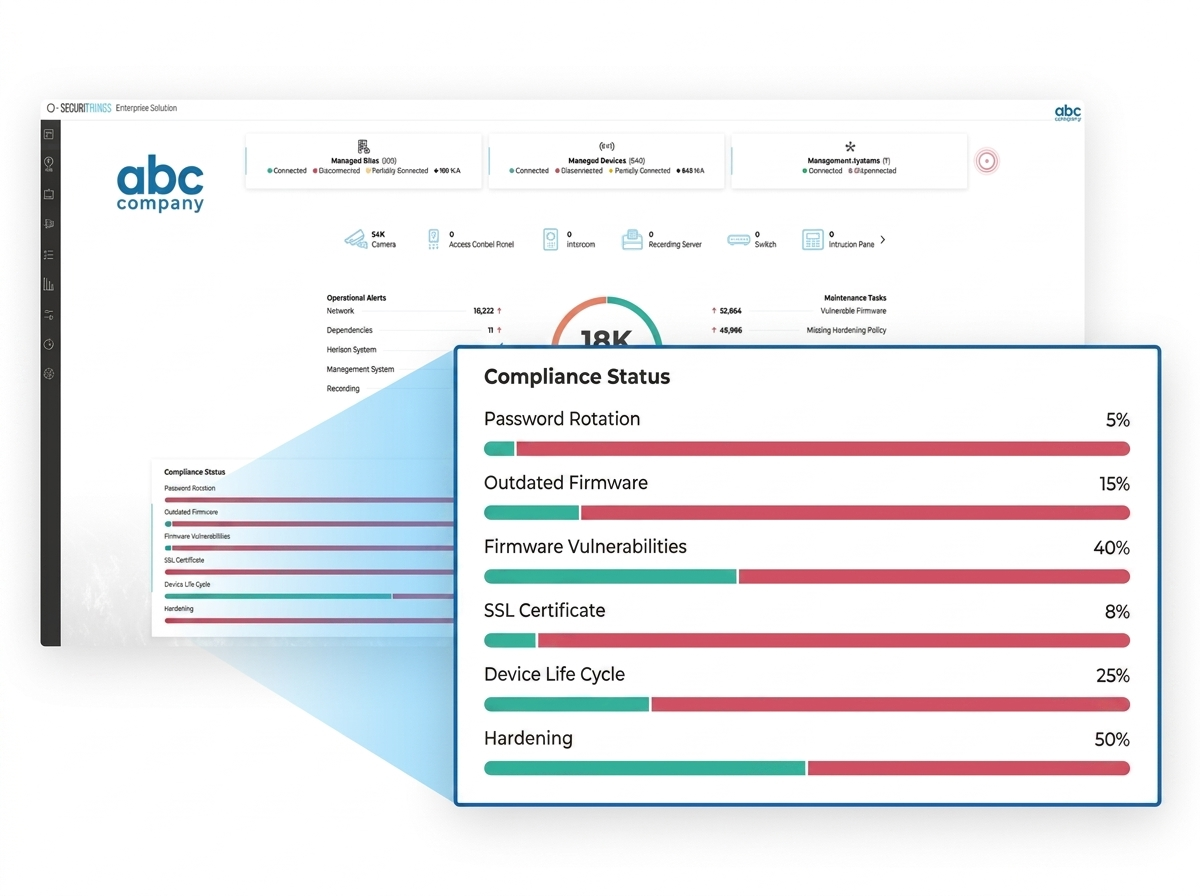
Upload your device list and we will run it through the platform, mapping real CVEs, EOL/EOS dates, and patch availability against your actual fleet. 

  • Vulnerability exposure by severity CVE breakdown across your fleet
  • Device lifecycle status — EOL/EOS dates mapped to your actual devices
  • Patch availability — what's remediable and what isn't
  • Executive summary — ready to share with IT and security leadership
Platform Preview 1