Skip to content

PROBLEM: DEVICE LIFECYCLE MANAGEMENT

You can't plan for the devices you aren't tracking.

Vendor end-of-life, end-of-support, and warranty dates are scattered across manufacturers and rarely tracked against your actual fleet. Most teams find out a device is unsupported only when something goes wrong.

THE CORE PROBLEM

The dates that matter are the ones the team struggle to track

Lifecycle exposure builds quietly, because the data that would flag it lives in the wrong place:

No Centralized Tracking End-of-life and end-of-support dates are scattered across manufacturer pages and release notes.  
Disjointed Dates Firmware support windows expire separately from device EOL and rarely sit in the same place.  
Siloed Warranty Dates Warranty terms are scattered the same way, disconnected from the fleet.  

The result: a device can pass end-of-support and no one knows until it’s urgent.

671dcb13-cf04-4b88-8026-6196e7c393d9

That gap shows up at the worst possible time:

Deadlines Pass Silently A device reaches end-of-support and no one flags it.  
No patch available A security finding lands on a device that can no longer be patched.  
Surprise costs Planning is caught off guard by a cost that could have been foreseen.  

The result: teams react to end-of-life instead of planning for it.

Most teams are stuck reacting instead of planning.

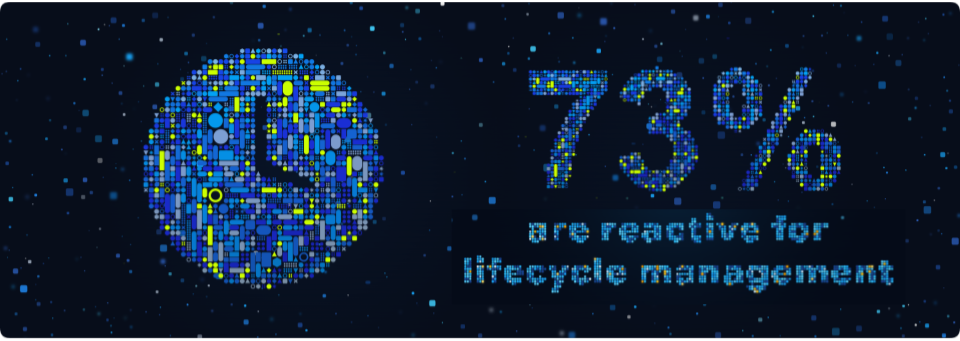
73%

of security teams are forced to be reactive rather than proactive on device lifecycle and related compliance issues, because of technology limitations.

Just 3%

report full centralized visibility into device status, the foundation any lifecycle plan depends on

#1 barrier

limited visibility into device status across sites is the most-cited obstacle to proactively addressing issues including EOL/EOS.

The Verdict?
Every month past end-of-support is a month a device can't be patched, and emergency replacement costs more than a planned refresh.

The data exists, just not where your fleet is

Manufacturer pages

Authoritative on dates, but disconnected from your fleet. Nothing tells you which of your devices a given end-of-support date applies to.

Spreadsheets & manual tracking

Stale the moment they're built, and never mapped to real device counts across sites.

Solving this takes more than a list of dates. It takes:

EOL/EOS status tracked against your actual devices, not read off manufacturer pages one at a time.
Warranty status tracked the same way, so replacement cost is known before the decision has to be made.
Advance visibility into exposure, and output that feeds procurement and replacement budgeting.

HOW WE SOLVE IT

Lifecycle status mapped to your real fleet.

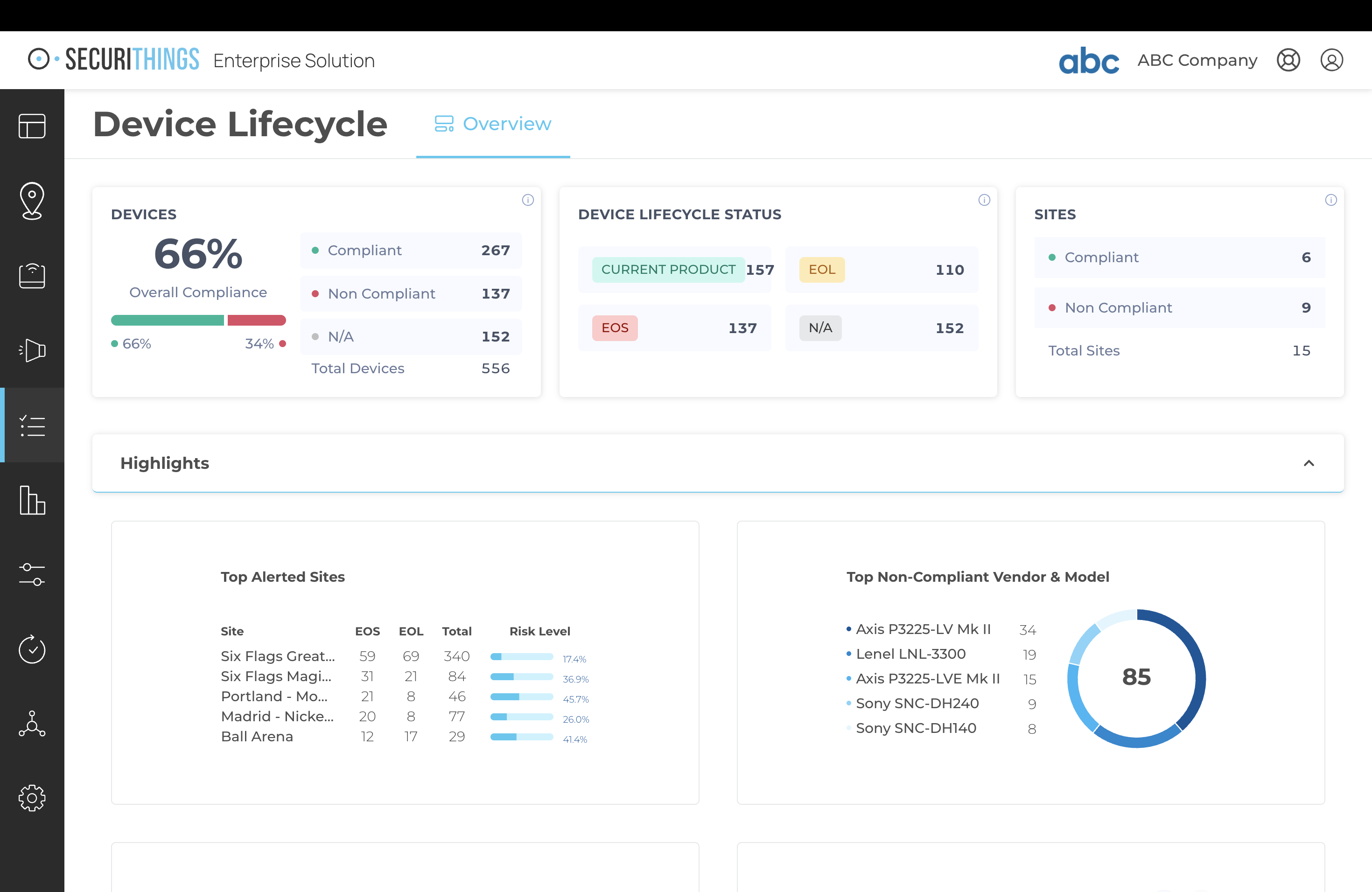
SecuriThings tracks EOL/EOS status against your live inventory, so you see exposure before it becomes urgent. Because it's mapped to the actual fleet, you know not just which models are aging out, but exactly how many devices are affected and where.

That turns lifecycle from something you react to device by device into an input for procurement and budget planning.
Lifecycle

Warranty status, tracked automatically.

Warranty data is pulled in automatically through native integrations like Axis Cloud Connect and kept current alongside EOL/EOS, with more vendors planned.

Where it's connected, you know whether a device is still under coverage before procurement has to ask, and a policy like "replace within a year of warranty expiry" becomes something you can actually enforce, not just a rule on paper.
Vulns & Risk
PROOF OF VALUE

Turning lifecycle data into a budget the business can act on

"Knowing I can go in and get a report of end-of-life cameras for the next four or five years and plan for it, that is a game-changer."
— Director of technology services, healthcare system


"The ability to automatically distribute device lifecycle reports across different site owners has been huge. We got everything we wanted with SecuriThings."
— Senior manager, global security and resiliency, medical device manufacturer


NEXT STEP: PLATFORM PREVIEW

See your fleet as it actually is

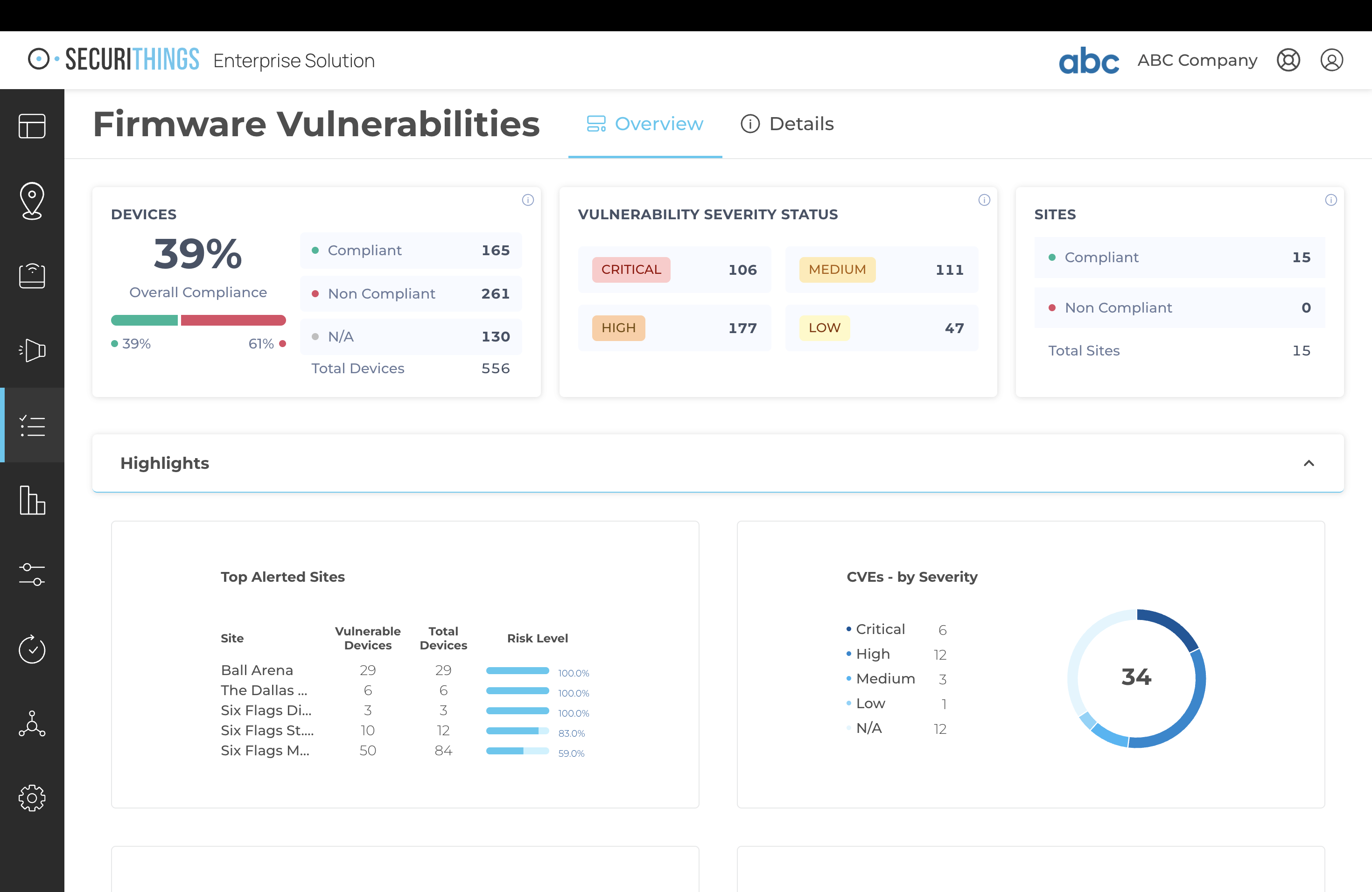
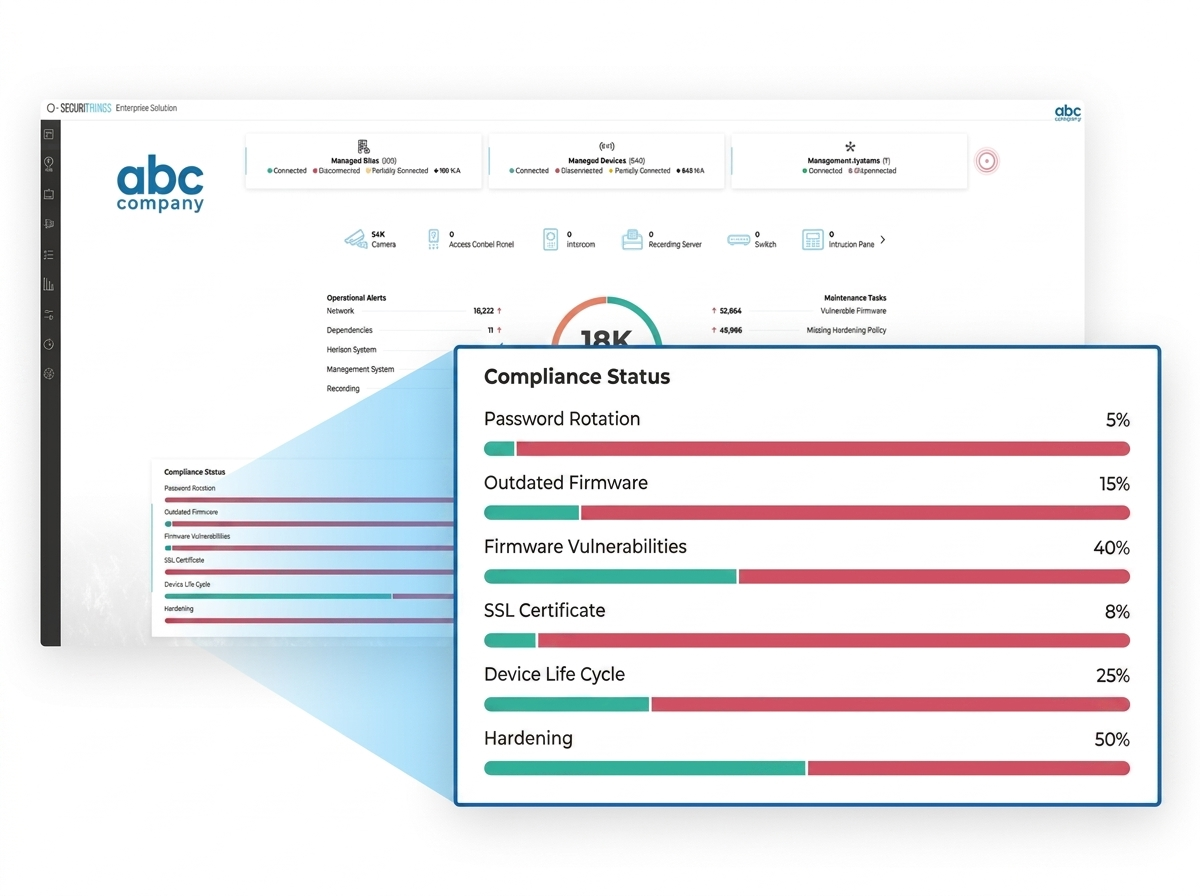
Upload your device list and we will run it through the platform, mapping real CVEs, EOL/EOS dates, and patch availability against your actual fleet. 

  • Vulnerability exposure by severity CVE breakdown across your fleet
  • Device lifecycle status — EOL/EOS dates mapped to your actual devices
  • Patch availability — what's remediable and what isn't
  • Executive summary — ready to share with IT and security leadership
Platform Preview 1