Over the years, SecuriThings customers have come to rely on the platform—and the people behind it—to bring order and control to the chaos of physical security infrastructure. What was once a fragmented, opaque and reactive process is now a source of visibility and automation, eliminating countless hours of manual work, and—perhaps most importantly—elevating the role of physical security within the enterprise.
But success creates new aspirations and ambition.
The success they have had naturally makes them want to go further: extending control more granularly into the devices already on the platform, and expanding across new categories of devices as enterprise IoT continues to converge.
That work has been ongoing amongst SecuriThings customers, but its practical pace is challenged by the significant technical expertise and time required. That’s exactly what the Agentic Device Orchestrator is designed to change.
Introducing the Agentic Device Orchestrator
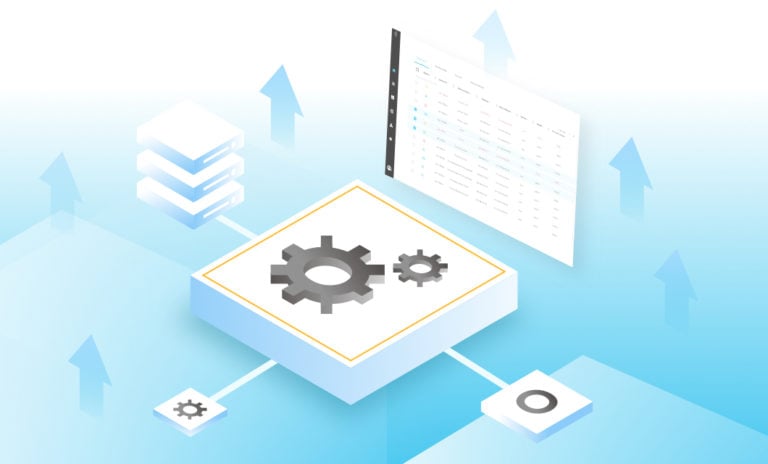
The launch of the Agentic Device Orchestrator marks a fundamental shift in how organizations manage their physical security and IoT estates. This horizontal platform layer is designed to simplify direct device level control across your entire environment. By leveraging intelligent agents, the platform removes the technical barriers that previously made large scale device management so challenging.
A New Era of Device Control
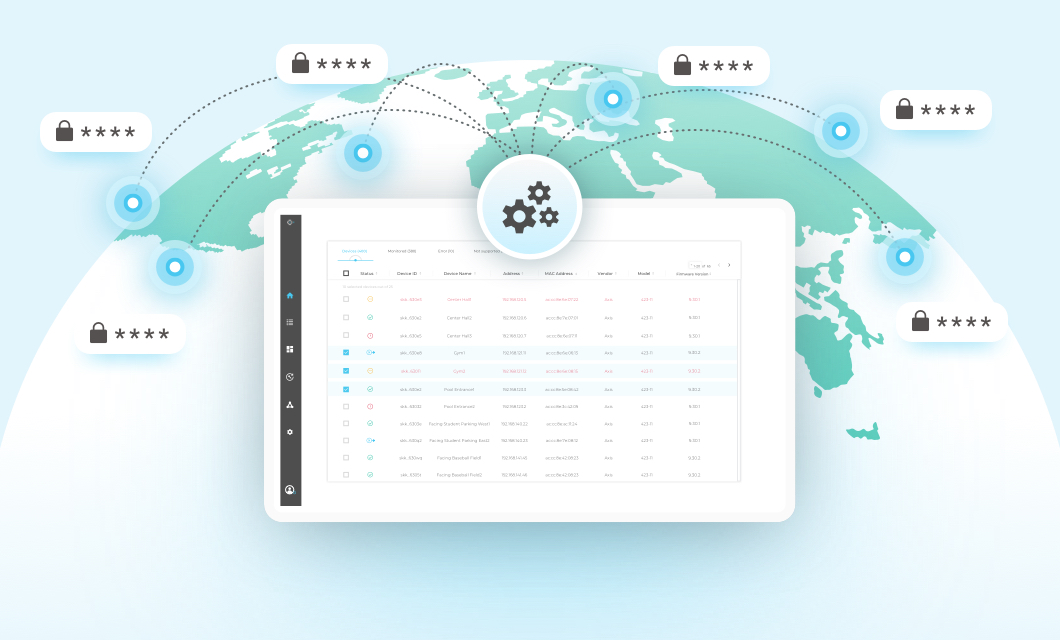
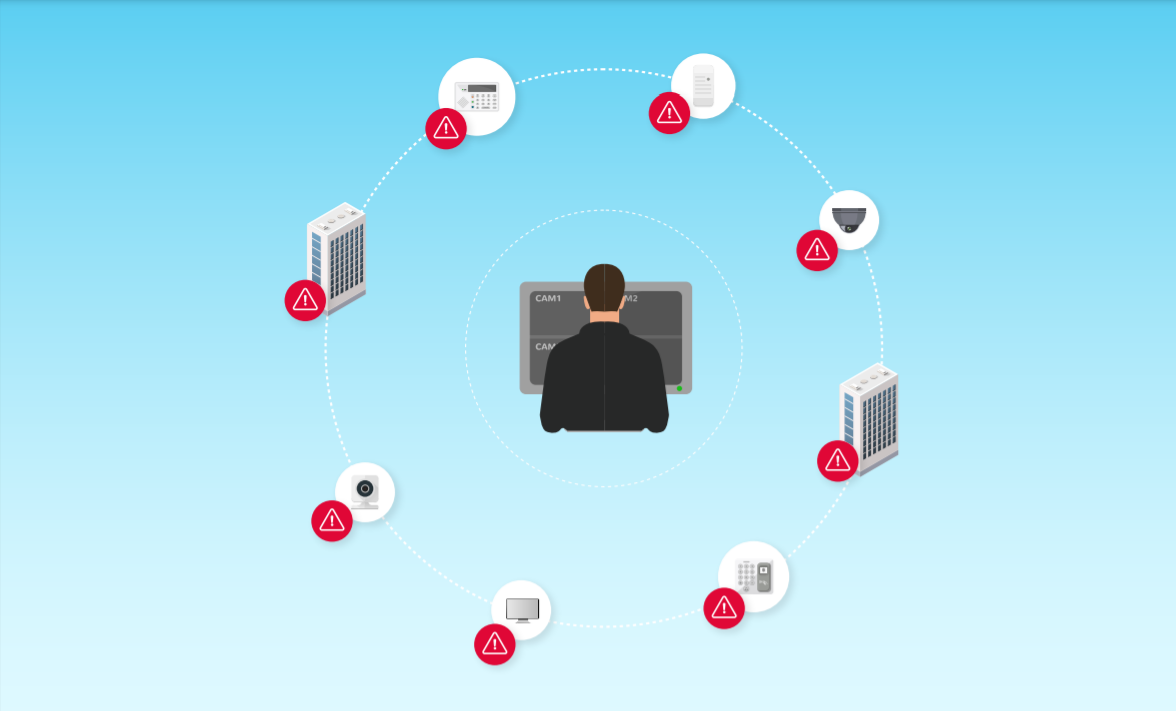
Maintaining control over a global enterprise IoT estate has become one of the defining challenges for modern organizations. For physical security teams, IoT application owners, and cybersecurity leaders alike, the explosion of cameras, sensors, and systems has created a level of complexity that traditional tools were never built to handle.
The number—and importance—of connected devices continues to grow. Consider these stats:
- 58% of organizations are combining AI with IoT to move toward real-time, autonomous interaction
- 60% are using security infrastructure data to drive broader business outcomes, from operations to marketing
- The number of connected enterprise IoT devices is expected to double to over 30 billion by 2030
Unfortunately, proactive steps to improve security posture lag significantly behind. Here’s a more sobering set of statistics highlighting this reality:
- Nearly 10% of malicious data breaches were attributable to compromised physical security in 2023
- Unpatched firmware and outdated software are responsible for 60% of IoT breaches
- There was a reported 400% growth in IoT-targeted cyberattacks in 2023
- Over 9% of physical security devices evidenced cybersecurity vulnerabilities, and 70% of devices were running out-of-date firmware
Closing the “Last Mile” of Remediation
The importance of securing IoT devices isn’t new—it’s been building for years. From dedicated tracks at major industry events like RSA to over a decade of inclusion in Gartner’s Hype Cycle, the conversation has steadily evolved alongside the rapid growth of connected devices. What’s changed is not awareness, but expectation.
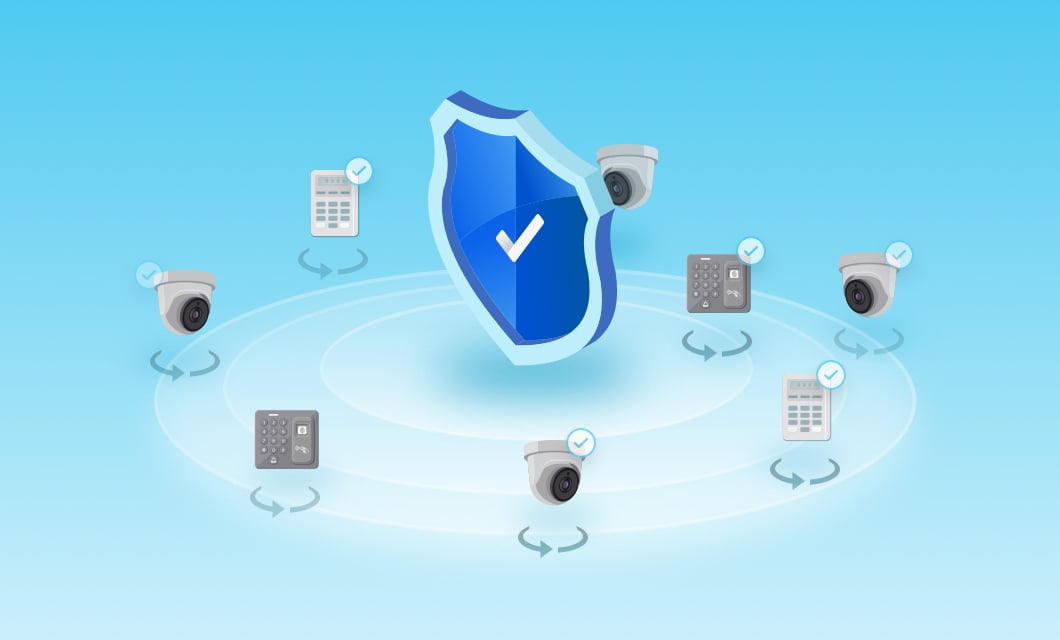
As devices become more embedded in critical business operations, organizations are looking beyond discovery and monitoring toward measurable risk reduction and operational control. Gartner’s coverage of the Cyber-Physical Security space reflects this shift, noting that 45% of organizations will prioritize remediation capabilities when selecting platforms. The direction is clear: it’s no longer just about understanding your environment—it’s about having the ability to act within it, all the way down to the device level.
Organizations Need to Close the Loop. Empowering Every User is Key.
The Agentic Device Orchestrator doesn’t just improve workflows—it changes the math of device management.
For technical users, it acts as a force multiplier:
- Eliminating hours spent researching APIs
- Reducing the need to build and test custom scripts
- Accelerating automation development and validation
For non-technical users, it unlocks entirely new capabilities:
- A simple natural language interface replaces complex development
- Users can define outcomes instead of writing code
- AI agents automatically generate and execute the required workflows
Instead of wondering “Where do I start with this?”, users can simply state outcomes:
- “Check available storage on all edge devices and flag risks”
- “Adjust the resolution on cameras at Site A”
- “Validate operational battery level across these building systems”
And the system handles the rest.
Change the Way You Work
Join our upcoming webinar to see the Agentic Device Orchestrator in action and learn how deeper device control, extended across a broader portion of your Enterprise IoT fleet, can be achieved without technical expertise or impractical time requirements.
Register here.